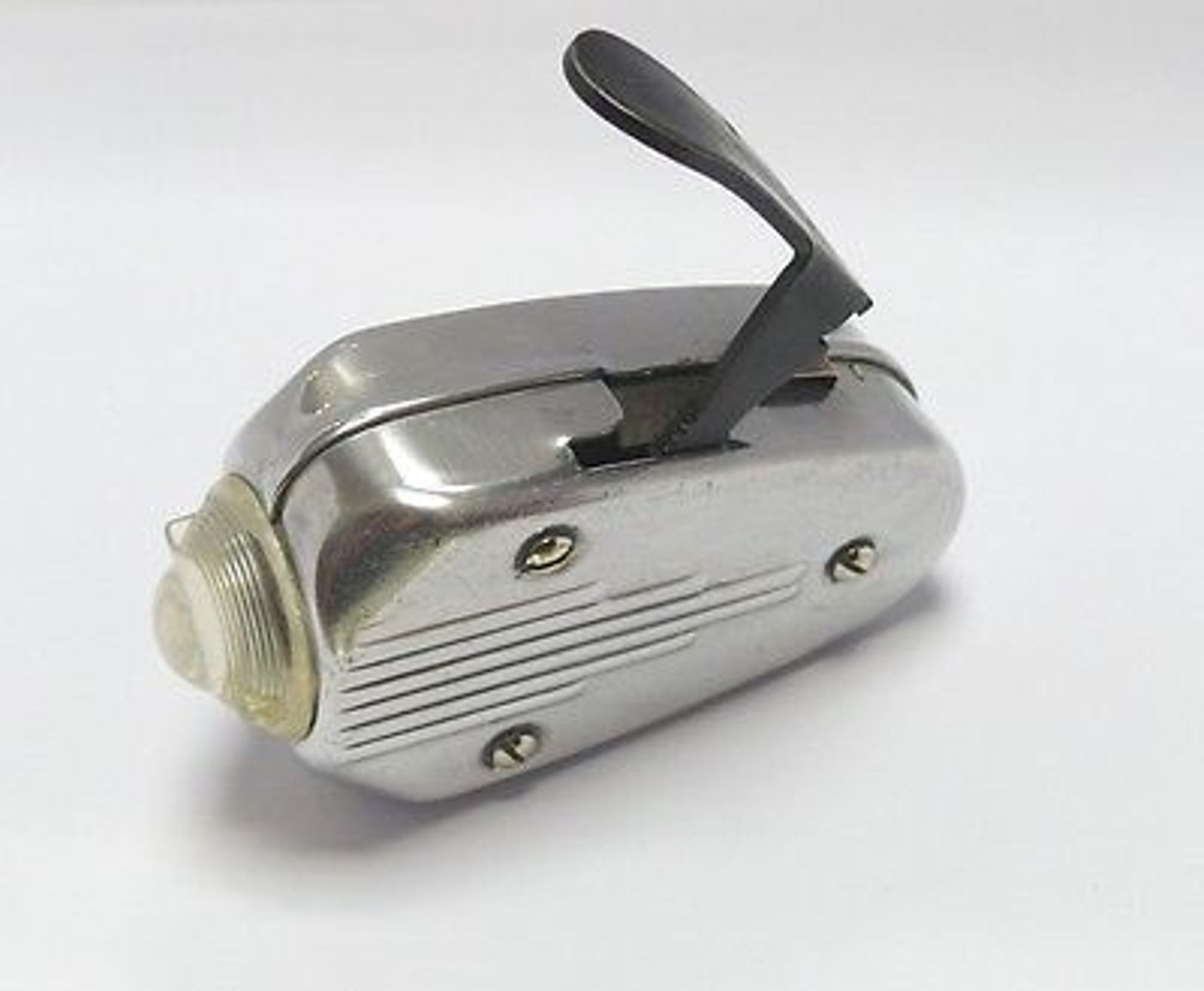
The government has asked us all to put together a household emergency kit. Torch, radio, tinned food, bottled water, wet wipes - enough to get through three days if the power goes off or the water stops. But how would your business cope for three days? Or three weeks?
Most of us have a torch somewhere. Whether the batteries still work is another matter.
It got me thinking about what the same list would look like for a small business. If something went wrong tomorrow - a break-in, a flood, a hacked email account, a key supplier going bust, a client who doesn’t pay - how would your business cope for three days? Or three weeks?
We’ve seen plenty of examples recently. In 2025 M&S had its systems taken down by a cyber attack, and a fire at an electricity substation closed Heathrow for most of a day. Then hackers got into Jaguar Land Rover. Its factories stopped for around five weeks, and the cost to the UK economy has been put at £1.9 billion, the most expensive cyber attack this country has had.
JLR is huge and it got through it. A lot of the firms that supply it are small businesses, and many of them hadn’t done anything wrong. Their orders stopped overnight, and several said they didn’t have the cash to wait it out. The government ended up putting in a £1.5 billion loan guarantee to keep the supply chain going.
So big organisations with big budgets still get caught out, and when they do, the smaller businesses around them often feel it most.
The numbers for small businesses aren’t great either. The government’s latest Cyber Security Breaches Survey found 46% of small businesses had a breach or attack in the past year, and most of those started with a dodgy email. Nearly every large firm has a plan for when things go wrong. Only around 58% of smaller ones do.
So here is the government’s list, translated for small businesses. Slightly tongue in cheek, but every item is real.
The Small Business Emergency Kit
1. Power bank → a cash buffer Keeps you going when everything else stops. A few weeks of money in the bank for when a big invoice stalls or work dries up for a month. Chase what you’re owed while things are calm, as that’s what keeps the buffer topped up. Nothing else on this list helps much without it.
2. Wind-up torch → a list on paper If your laptop and phone are gone or locked, can you still find the numbers you need? Write down your key customers, suppliers, your bank’s fraud line, your accountant and whoever sorts your IT. On paper, in a drawer.
3. Radio → a way to reach customers that you own If your Instagram gets hacked or locked tomorrow, how do you tell people you’re still open? Your email list belongs to you. Your social media account doesn’t.
4. Spare batteries → a backup for anything you only have one of If you’re the only person who knows the logins, the suppliers and how the invoicing works, the business stops when you do. Write down the basics, or show someone else. Then look at your suppliers. If your one wholesaler, packaging supplier or card machine provider went under next week, who would you use instead? Ask the same question about your customers - if one of them is most of your income, you’re in the same position as the JLR suppliers.
5. First aid kit → an “it’s all gone wrong” plan Hacked, flooded, burgled, or a fire in the workshop - you won’t be thinking clearly on the day, so do the thinking now. One page covering who you’d call first (bank, insurer, landlord, Action Fraud), where you could work from for a fortnight, and how you’d let customers know. That is a business continuity plan, and it doesn’t need to be any longer than that.
6. Hand sanitiser → basic cyber hygiene The dull stuff that stops most of the problems. A different strong password for every site, two-step login on your email and bank, and installing updates when they keep nagging you. We’ve written a 60-minute guide to sorting your passwords - no guilt if you’ve been putting it off.
7. Wet wipes → backups For cleaning up afterwards. If your laptop was stolen from the car tonight, or the office flooded, what would you lose for good? Back up your important files somewhere other than the laptop they live on. Then try restoring something, because a backup you’ve never tested might not work when you need it.
8. Bottled water → your insurance You hope you never need it. Most of us buy a policy, file it and never read it again. Dig it out and check three things. Does it cover business interruption, meaning lost income and not just lost stuff? Are your stock and equipment valued at what they’d cost to replace today? And is cyber covered, or excluded? Ten minutes on the phone with your broker now is much better than finding out after a claim.
9. Non-perishable food → loyal customers One-off leads are great, but they don’t last. The customers who keep coming back will see you through a quiet patch, so look after them.
10. Tin opener → your domain and website logins Nobody thinks about it until they need it. Who registered your domain name? Is it in your name? Do you know the login? If the answer is “the lad who built our website in 2017”, now would be a good time to track him down.
11. Baby supplies (where needed) → the people who depend on you Staff, subcontractors, the freelancer whose main client is you. If your business has a wobble, so do they. Have a think about what they’d need from you if things went badly.
The serious bit (it’s short)
Most of this list can be sorted in an afternoon. A large company needs a project team and three months of meetings to change its password policy. You need a cup of tea and an hour without interruptions. Being small means you can just get on with it.
You don’t need to do all eleven this week. Pick two. The paper list and the passwords are a good start, and neither takes more than an hour.
The bonus item: your neighbours
There’s one thing the government’s household list relies on without saying so, which is knowing the people next door. The ones who’d lend you a torch, check you’re alright, or tell you when the water’s back on.
It’s the same for businesses. When something goes wrong, it helps a lot to know someone who can lend you a van, cover a shift, recommend an IT person who answers the phone, or tell you how they dealt with the same mess last year.
That’s a big part of why we started SBIN. Local businesses that know each other are much harder to knock over.
So come along to the next one, and maybe bring a torch.